

Quick Summary
AI is moving from a business experiment to a business necessity. As more organisations adopt AI-powered tools, demand for AI-ready laptops, workstations and PCs continues to grow. The challenge? AI hardware can be expensive, and the technology is evolving quickly.
In this guide, we’ll explore why leasing can be a smarter way to invest in AI hardware, helping businesses stay flexible while avoiding large upfront costs.
Why Businesses Are Investing in AI-Ready Devices
Whether it’s using Microsoft Copilot, automating repetitive tasks, generating content or analysing large volumes of data, AI is becoming part of everyday work.
As adoption grows, many organisations are discovering that older devices struggle to deliver the performance needed for modern AI applications. This is driving demand for a new generation of AI-ready hardware, including:


- Copilot+ PCs
- Apple M-series Macs
- AI workstations
- Business laptops with dedicated NPUs (Neural Processing Units)
These devices are designed to process AI workloads more efficiently, helping teams work faster while unlocking new AI-powered features.
But while the productivity benefits are clear, upgrading to AI-ready hardware isn’t always a straightforward decision.
The Real Cost of AI Hardware
AI-capable devices often come with a higher price tag than traditional business laptops.
For organisations rolling out devices at scale, the investment can be significant. Costs can quickly increase when you’re purchasing:
- AI-ready laptops for employees
- High-performance workstations for specialist teams
- Devices with dedicated NPUs and advanced processors
- New equipment to replace ageing technology estates
The bigger the deployment, the bigger the capital investment required.
For many businesses, it isn’t simply a question of whether they need AI-ready hardware. It’s whether they can justify spending large amounts on technology that may need replacing sooner than expected.
The Risk of Buying AI Hardware Outright
The AI market is moving at an incredible pace.
New processors, AI features and operating system updates are being released regularly. What feels like cutting-edge hardware today may look very different in two or three years’ time.
This creates a common challenge for IT and finance teams: How do you choose the right hardware when future AI requirements are still unclear?
Some organisations worry about under-specifying devices and limiting future capabilities.
Others invest in premium hardware only to discover that many employees don’t need that level of performance.
Either scenario can result in unnecessary costs and reduced return on investment.
Why Leasing AI Hardware Makes More Sense
Leasing provides a more flexible way to access AI-ready technology without making a large upfront purchase.
Rather than tying up capital in expensive hardware, businesses can spread costs through predictable monthly payments while still deploying the latest devices.
Lower Upfront Costs
Leasing removes the need for significant capital expenditure, allowing organisations to preserve cash flow while investing in modern technology.
Predictable Monthly Spending
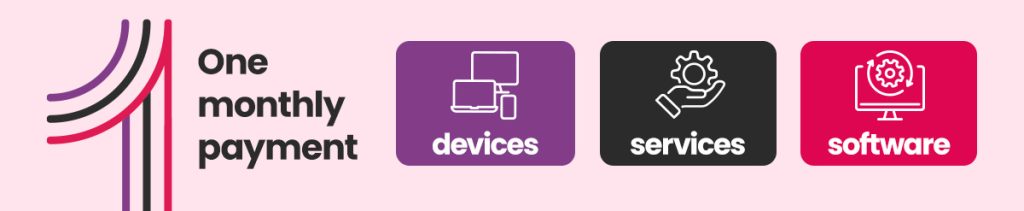
Fixed monthly payments make budgeting easier and help avoid unexpected refresh costs in the future.
Easier Technology Refreshes
AI technology won’t stand still. Leasing allows businesses to refresh devices more regularly so teams can benefit from the latest innovations as they become available.
Greater Flexibility
If requirements change, organisations have more flexibility to adjust their technology estate rather than being locked into outdated hardware.
Taking a More Flexible Approach with Device as a Service
For many businesses, the biggest challenge isn’t funding AI hardware. It’s knowing what they actually need.
A marketing team using AI for content creation may have very different requirements to developers, data analysts or designers. Rolling out the wrong specification across an entire organisation can be costly.
This is where Device as a Service (DaaS) can help.
By combining device procurement, lifecycle management and support into a single solution, DaaS allows organisations to adopt new technology without committing to large capital purchases.

It also provides the flexibility to adapt as AI usage evolves.
For example, a business may initially deploy high-performance AI laptops across multiple departments. After reviewing usage patterns, they may discover that some teams only require mid-range devices. A flexible DaaS model makes it easier to adjust device allocations, helping ensure technology investment aligns with actual business needs.
Instead of trying to predict the future, organisations can take a more agile approach and evolve their device strategy as AI adoption matures.
See the 13 Benefits of DaaS here.
How Leasing with HardSoft Supports Long-Term AI Adoption
AI is no longer a short-term trend. It is becoming a core part of how businesses operate.
However, investing in AI-ready hardware doesn’t have to mean making large, risky purchases.
HardSoft allows you to:
- Access the latest AI-ready devices
- Reduce upfront investment
- Refresh technology more regularly
- Align spending with business growth
- Adapt as AI requirements evolve
For businesses navigating an increasingly fast-moving technology landscape, flexibility is becoming just as important as performance.
Key Takeaways
- AI-ready devices are becoming increasingly important as AI adoption grows.
- The cost of AI laptops, PCs and workstations can be significant.
- Buying hardware outright creates the risk of investing in technology that may not meet future requirements.
- Leasing with HardSoft reduces upfront costs and improves flexibility.
- Device as a Service helps organisations scale and adapt their technology strategy as AI needs evolve.
Frequently Asked Questions
What is an AI PC?
An AI PC is a computer designed to run AI-powered workloads more efficiently. Many include dedicated Neural Processing Units (NPUs) that help accelerate AI tasks while reducing power consumption.

How often should businesses refresh AI-ready devices?
Refresh cycles vary, but many organisations review their technology every three to four years. Leasing can make it easier to upgrade devices as requirements change.
What is Device as a Service (DaaS)?
Device as a Service combines hardware, deployment, lifecycle management and support into a single subscription model, helping businesses manage technology more efficiently.
Planning an AI hardware rollout?
Whether you’re exploring Copilot+ PCs, AI workstations or Apple devices for business, a flexible leasing or Device as a Service solution can help you access the technology you need without large upfront costs.
Explore our solutions or speak to our team about building an AI-ready device strategy for your organisation.


Andrew Morgan is Co-Founder of HardSoft Computers, where he’s spent over 40 years driving innovation in tech leasing. With a focus on making IT solutions flexible and accessible, Andrew leads strategy across product development, SEO, and digital marketing.
He’s passionate about helping businesses thrive with the right technology and regularly shares insights on the HardSoft blog.
LinkedIn: Andrew Morgan
Email: andrew@hardsoft.co.uk